VI. Applications: physics and engineering
45. Astronomy and astrophysics
The field Astronomy and astrophysics is in the Applications section. Besides Kepler's laws, the bodies' influence on each other and the three-body problem (described in the Physics chapter), it has the forms Black holes, Neutron stars, Gravitational waves, Magnitudes and distances, Radiation of stars, Redshift and Hubble's law, and Exoplanets. The formulas are ready and the steps show the substitution. The app doesn't solve the equations of general relativity; it uses only their results for a non-rotating black hole.
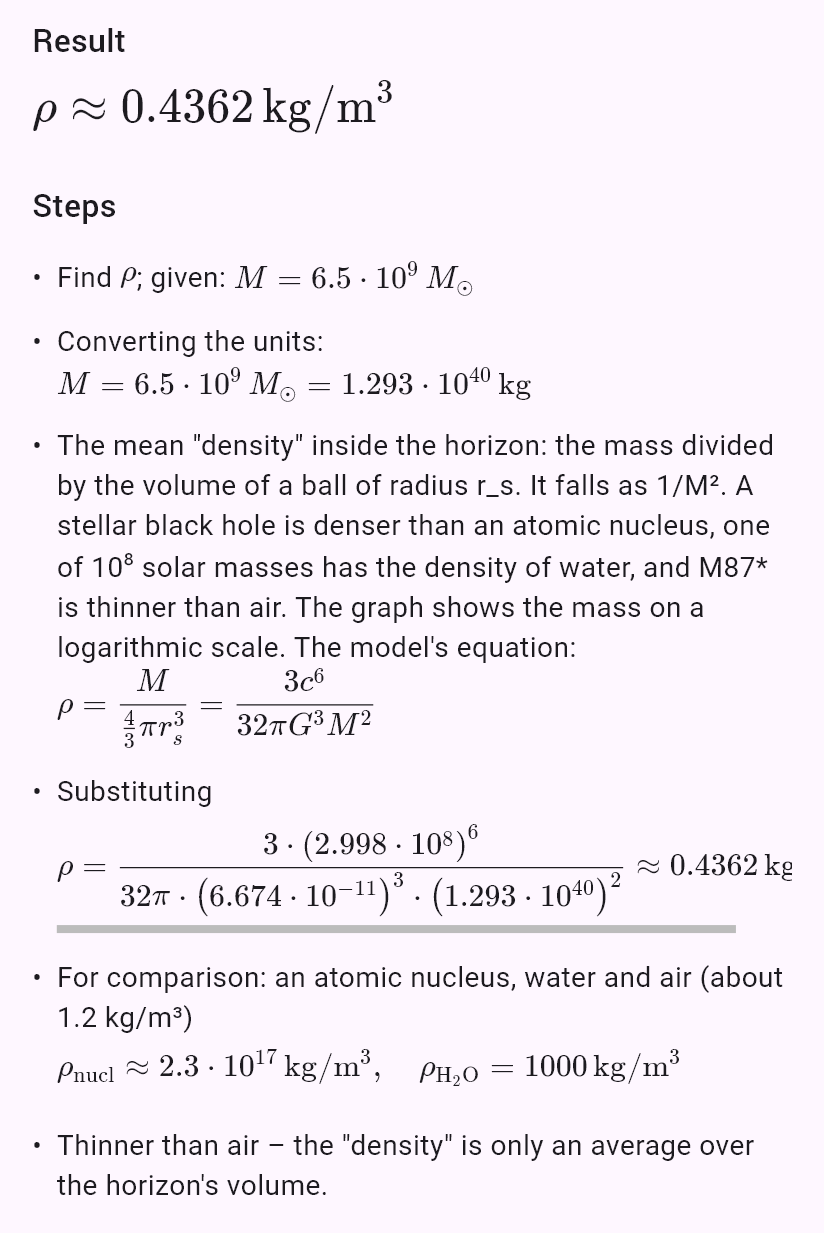
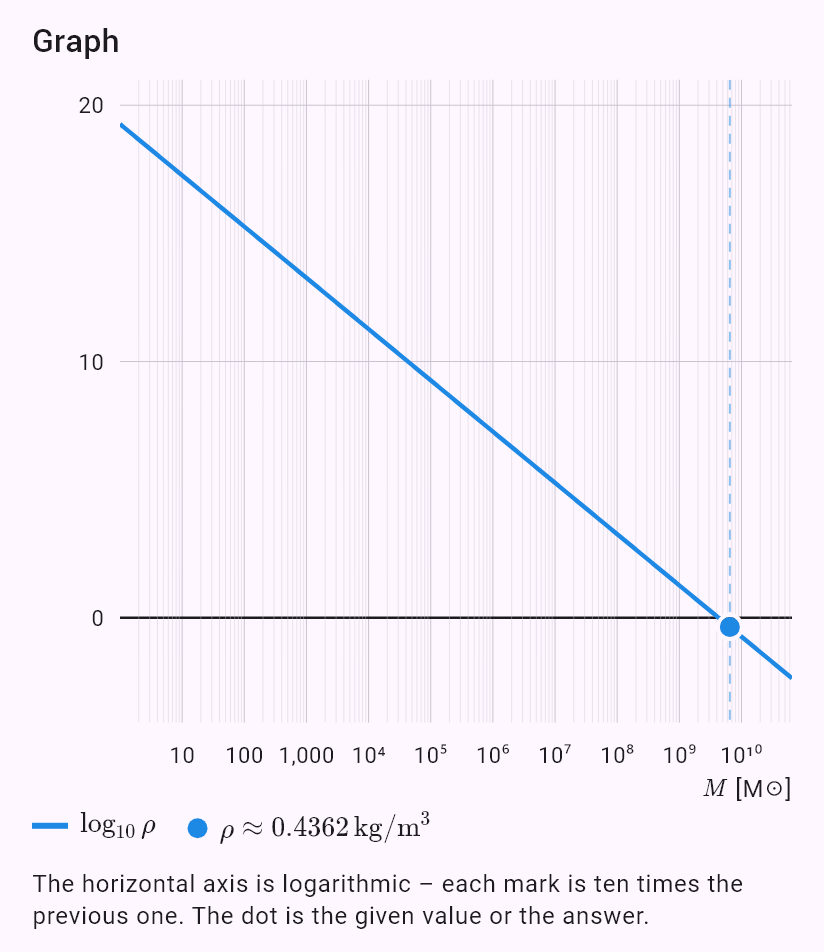
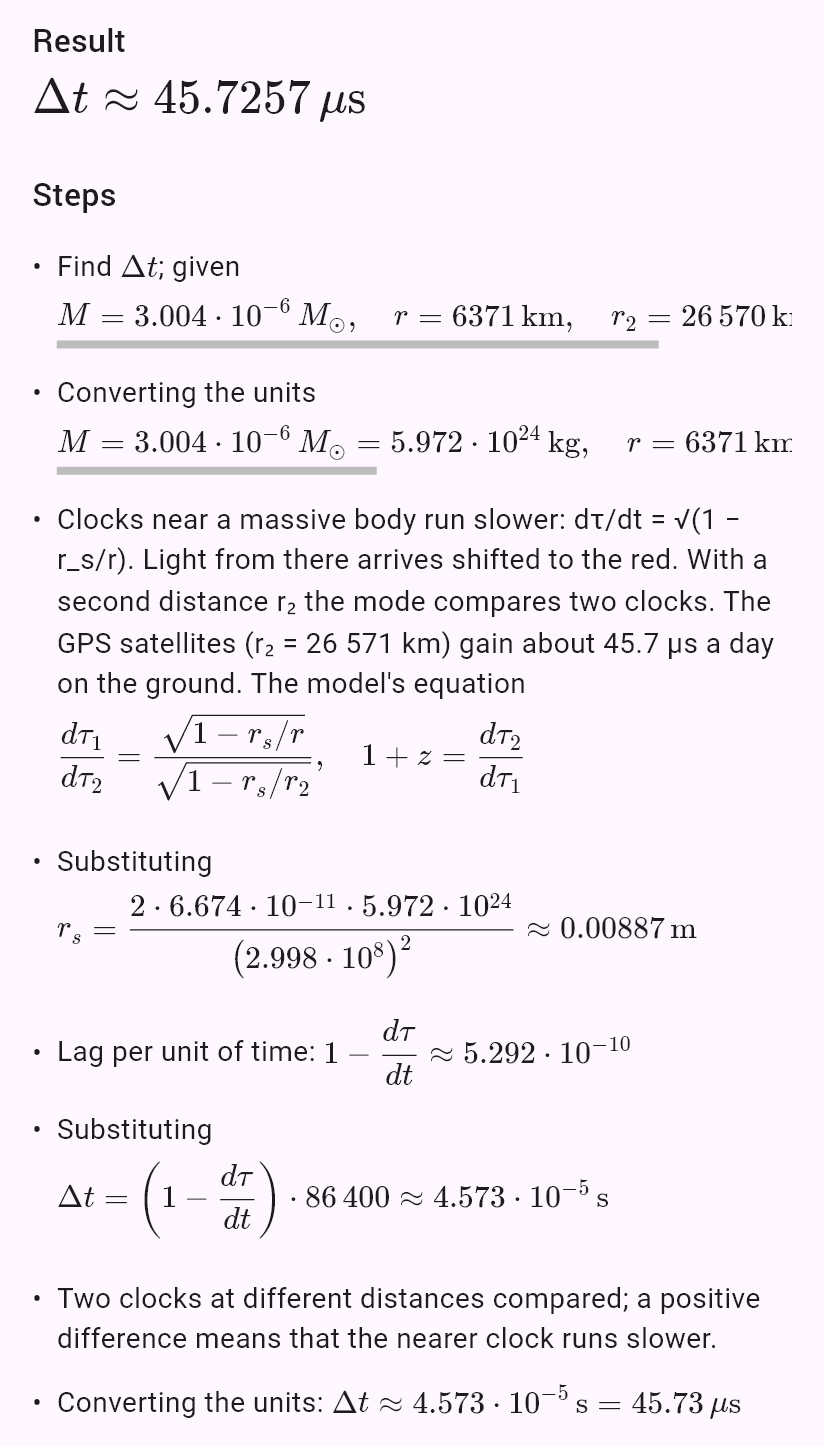
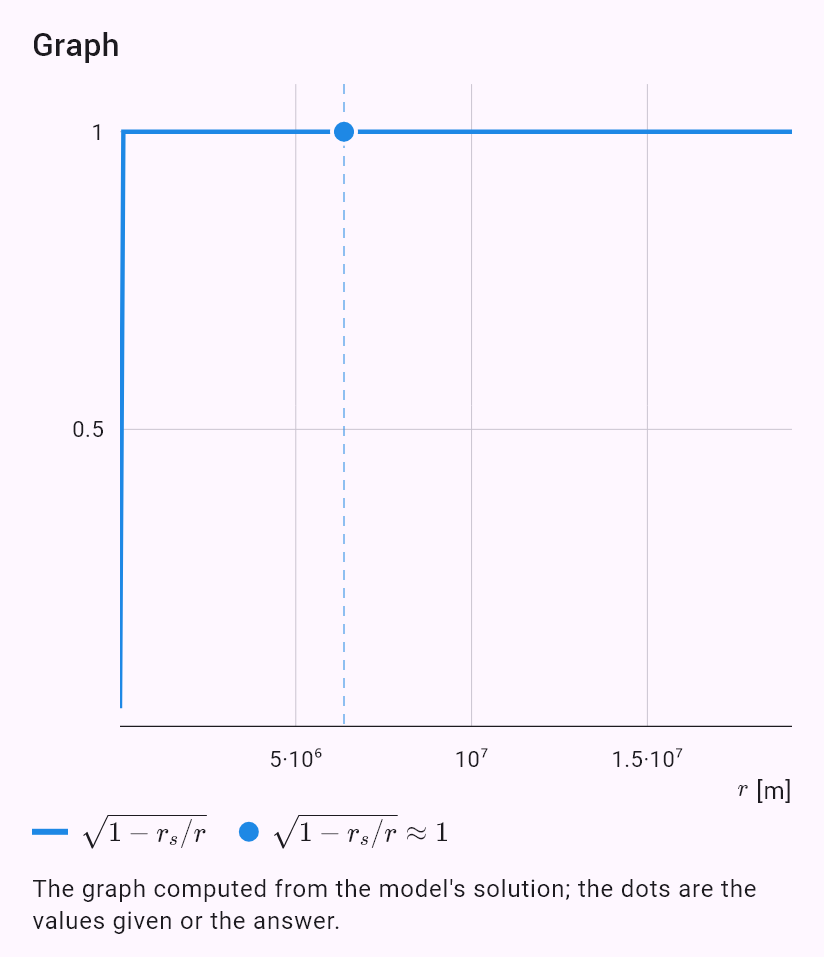
The Black holes form computes the [[schwarzschildRadius|Schwarzschild radius]], the photon sphere and the innermost stable orbit, a black hole's "density" with a graph over the mass on a logarithmic scale, the escape velocity, the gravitational time dilation and redshift (also for two clocks, such as GPS), the tidal force, Hawking's temperature with the evaporation time and the mass of Sgr A* from the orbit of the star S2. The menu of objects fills in the Sun, the Earth, a neutron star, a stellar black hole, Sgr A* or M87*.
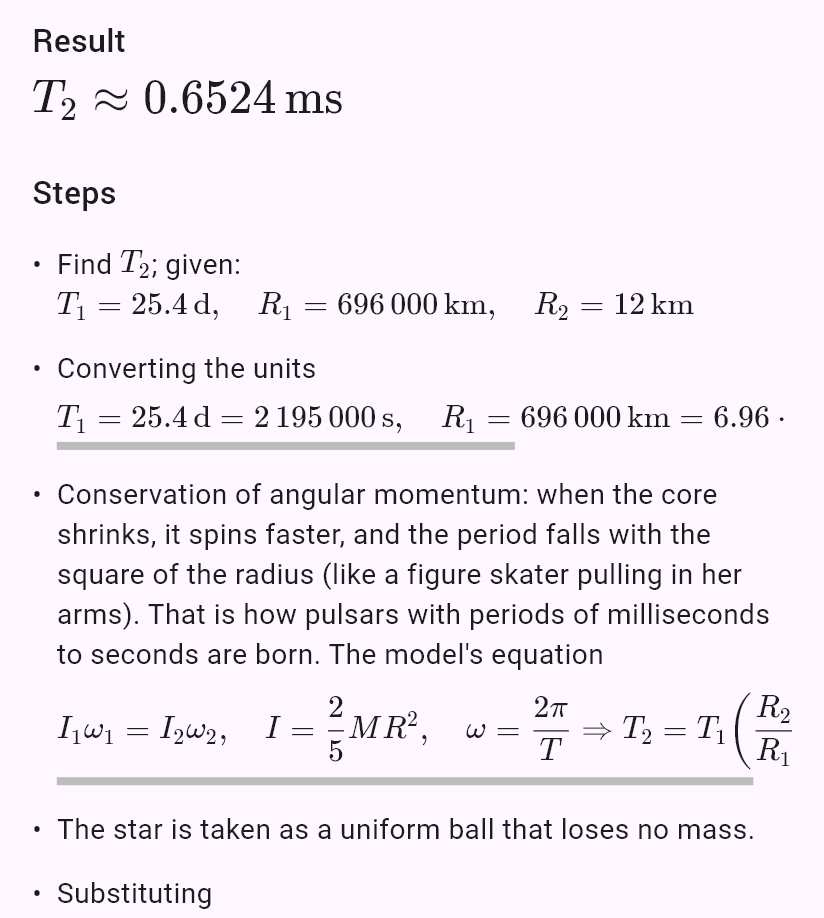
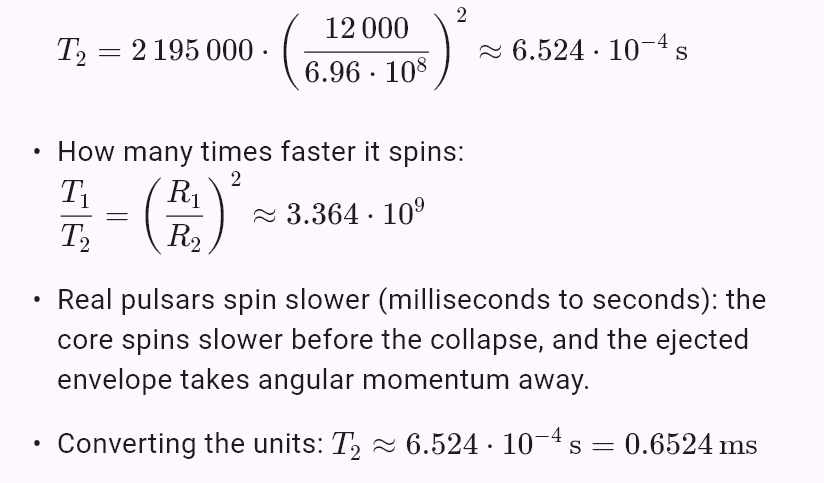
Neutron stars have the density, the gravity at the surface, the spin-up in the collapse by the conservation of angular momentum and the shortest possible rotation period. Gravitational waves give the frequency from an orbiting pair's separation (and back) and the energy radiated in a merger such as GW150914.
The basics of an introductory astronomy course: Pogson's equation, the distance modulus with the [[absoluteMagnitude|absolute magnitude]] and the parallax; Wien's and the Stefan-Boltzmann law of a [[blackBody|black body]], the solar constant and a planet's equilibrium temperature; the Doppler [[redshift|redshift]] and Hubble's law with the Hubble time; for exoplanets the transit depth, the radial velocity method and the [[habitableZone|habitable zone]].
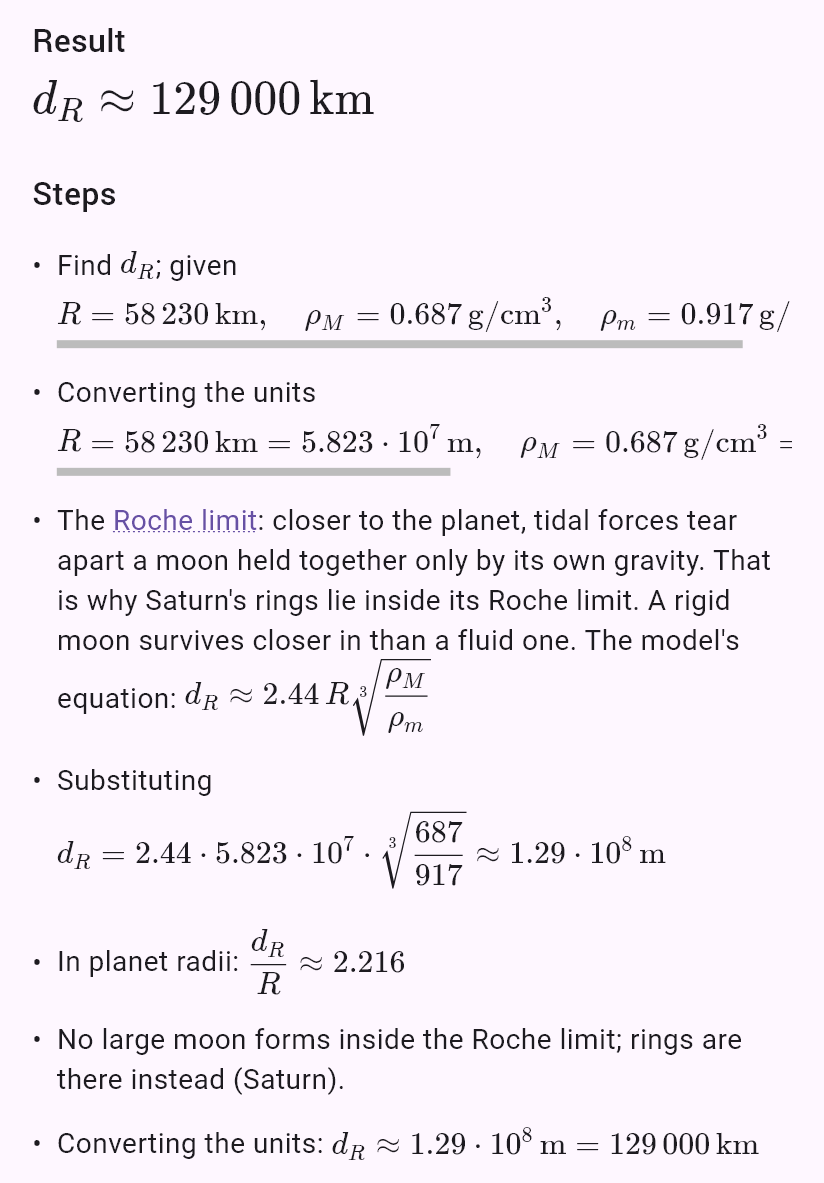
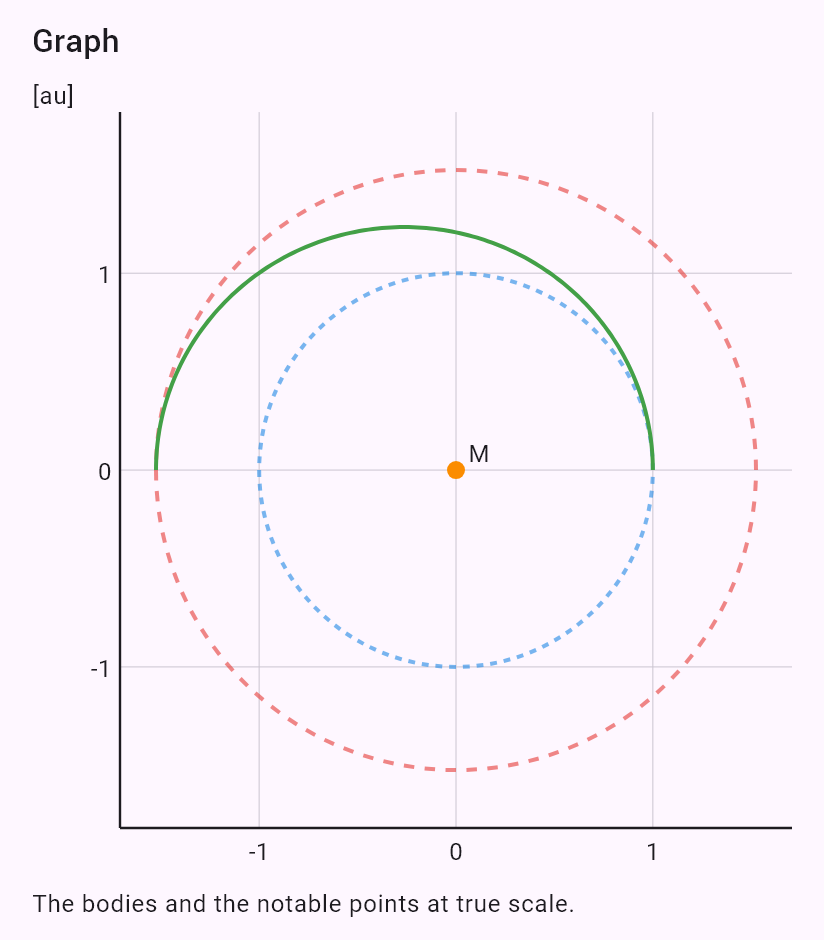
Kepler's laws gained the Hohmann transfer between two circular orbits (Δv and the flight time), and the bodies' influence on each other the [[rocheLimit|Roche limit]] and the Hill sphere.
Examples
model(blackhole; find=rs[mm]; M=3.0035e-6[Msun]; mode=horizon; astro=earth)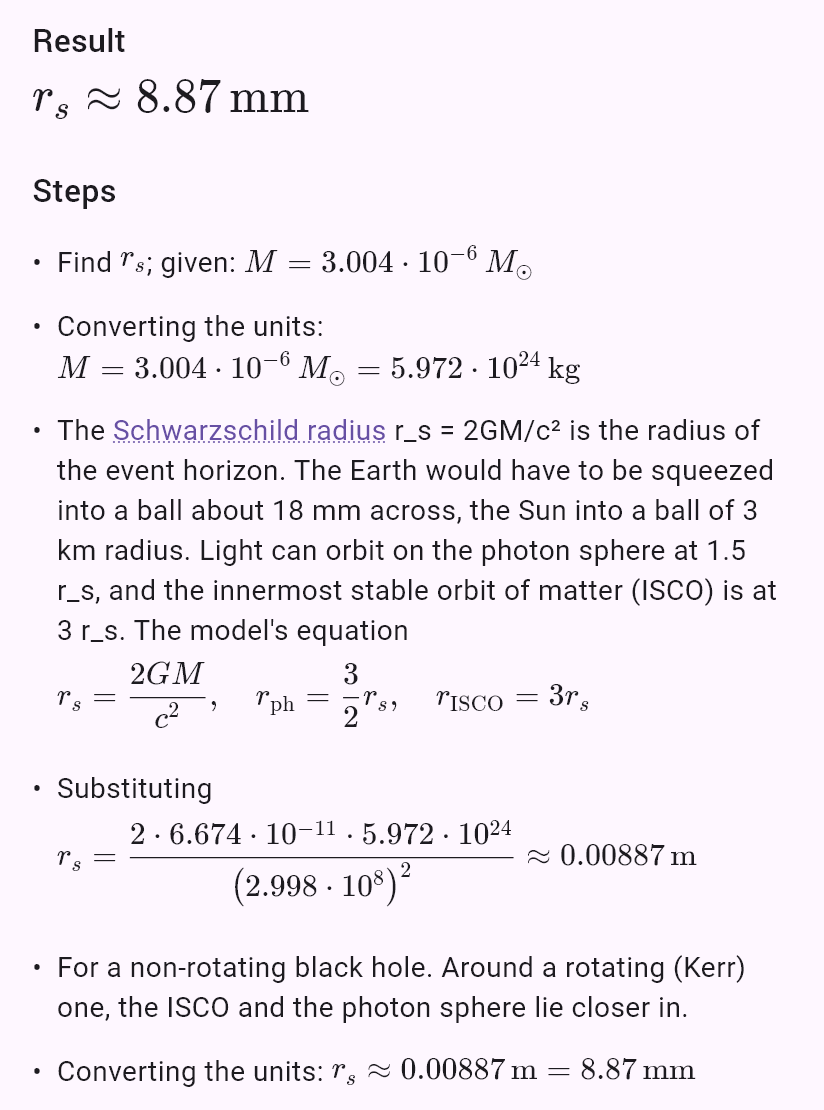
model(blackhole; find=rho[kg_m3]; M=6.5e9[Msun]; mode=bhdensity; astro=m87)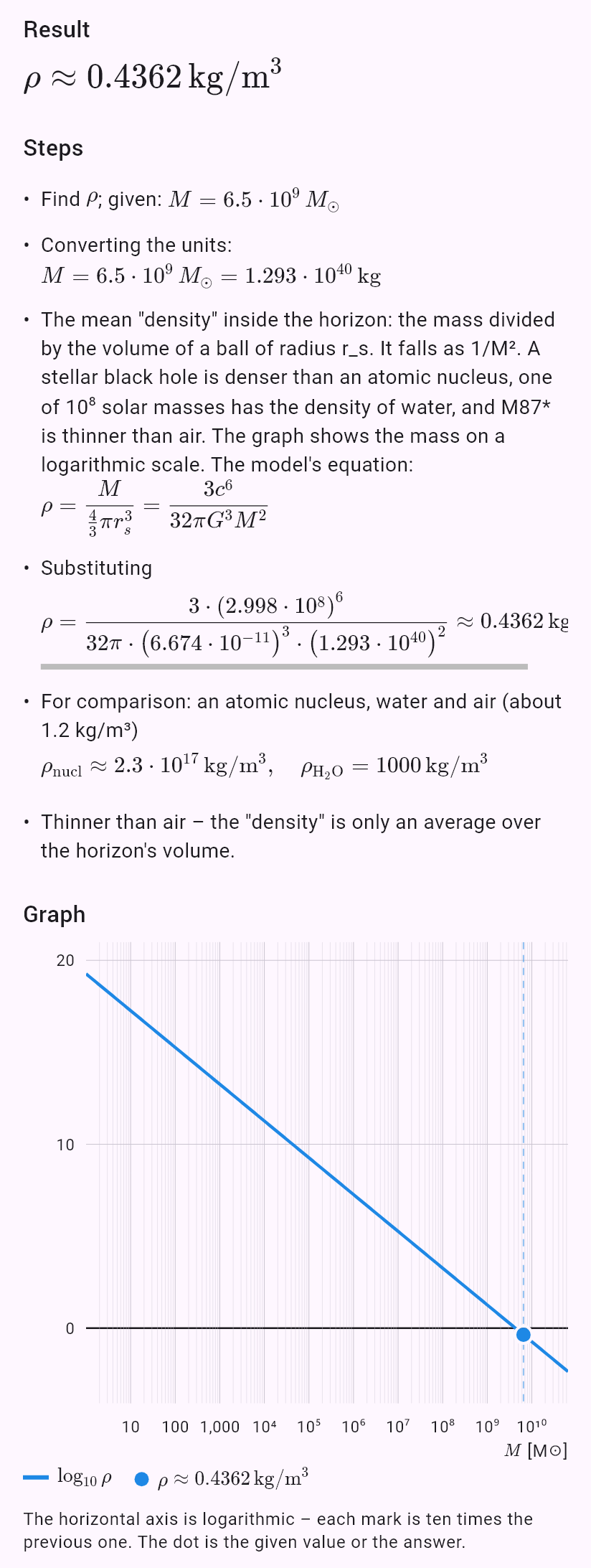
model(blackhole; find=dt[us]; M=3.0035e-6[Msun]; r=6371[km]; r2=26571[km]; t=1[d]; mode=gravdilation; astro=earth)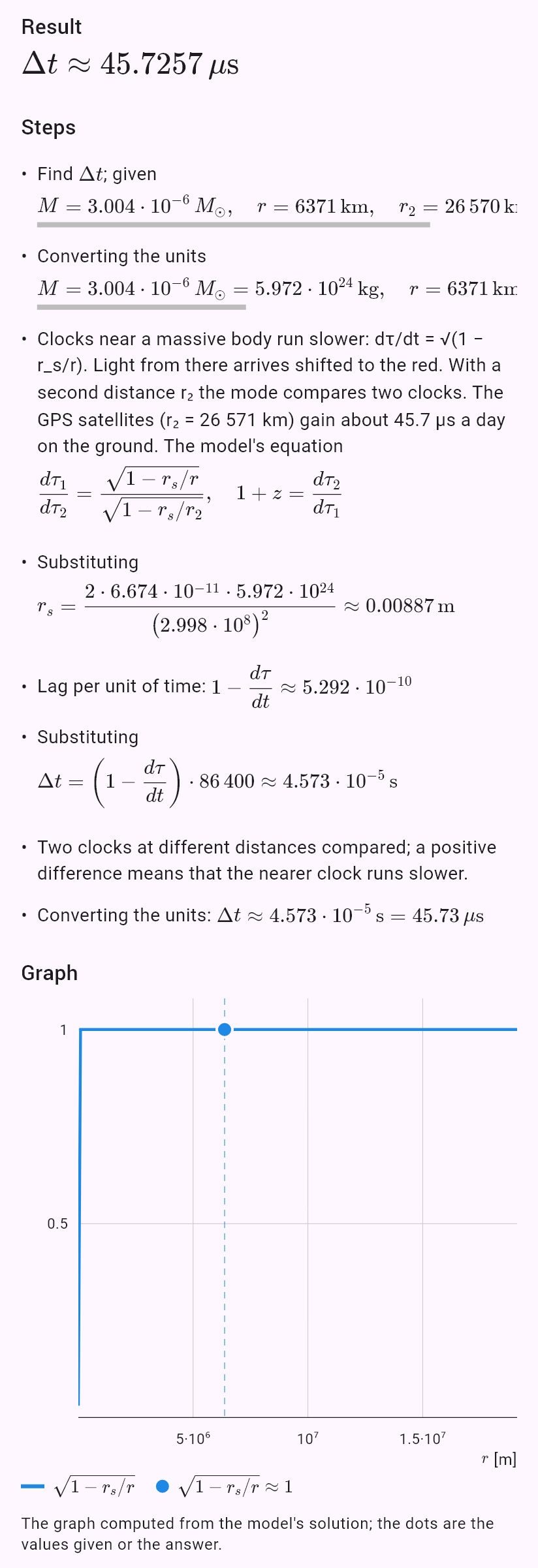
model(blackhole; find=dFh[N]; M=10[Msun]; m=70[kg]; L=2[m]; mode=tidal; astro=stellar)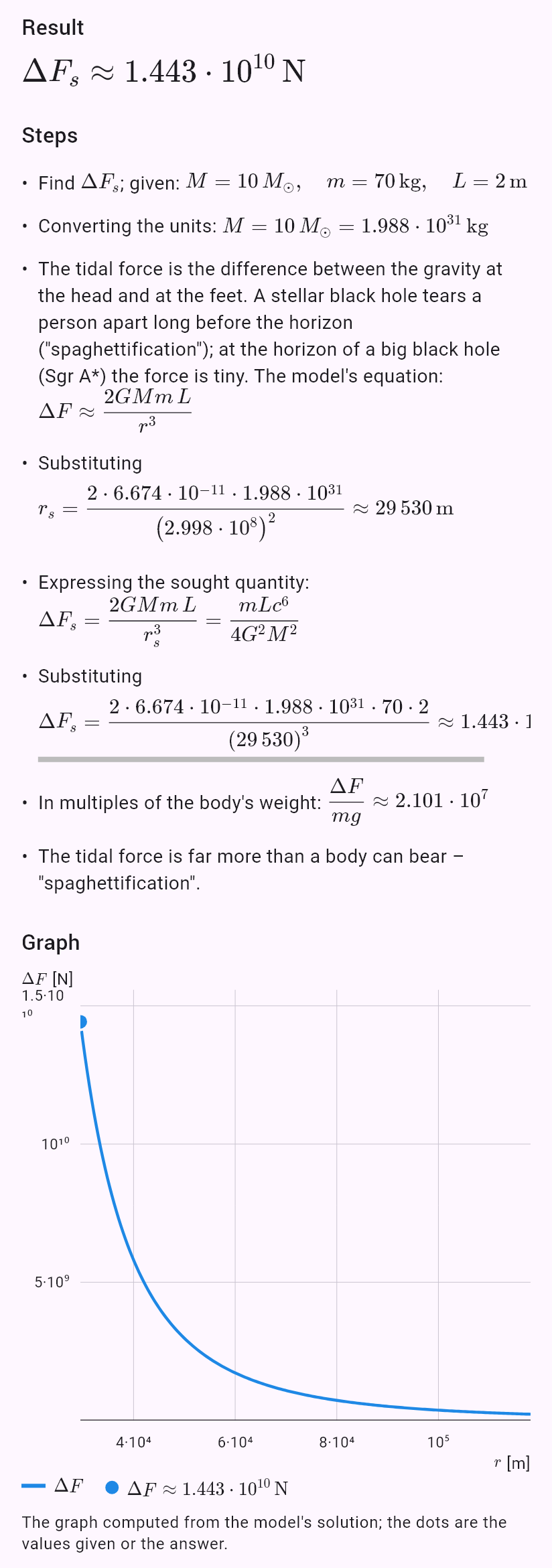
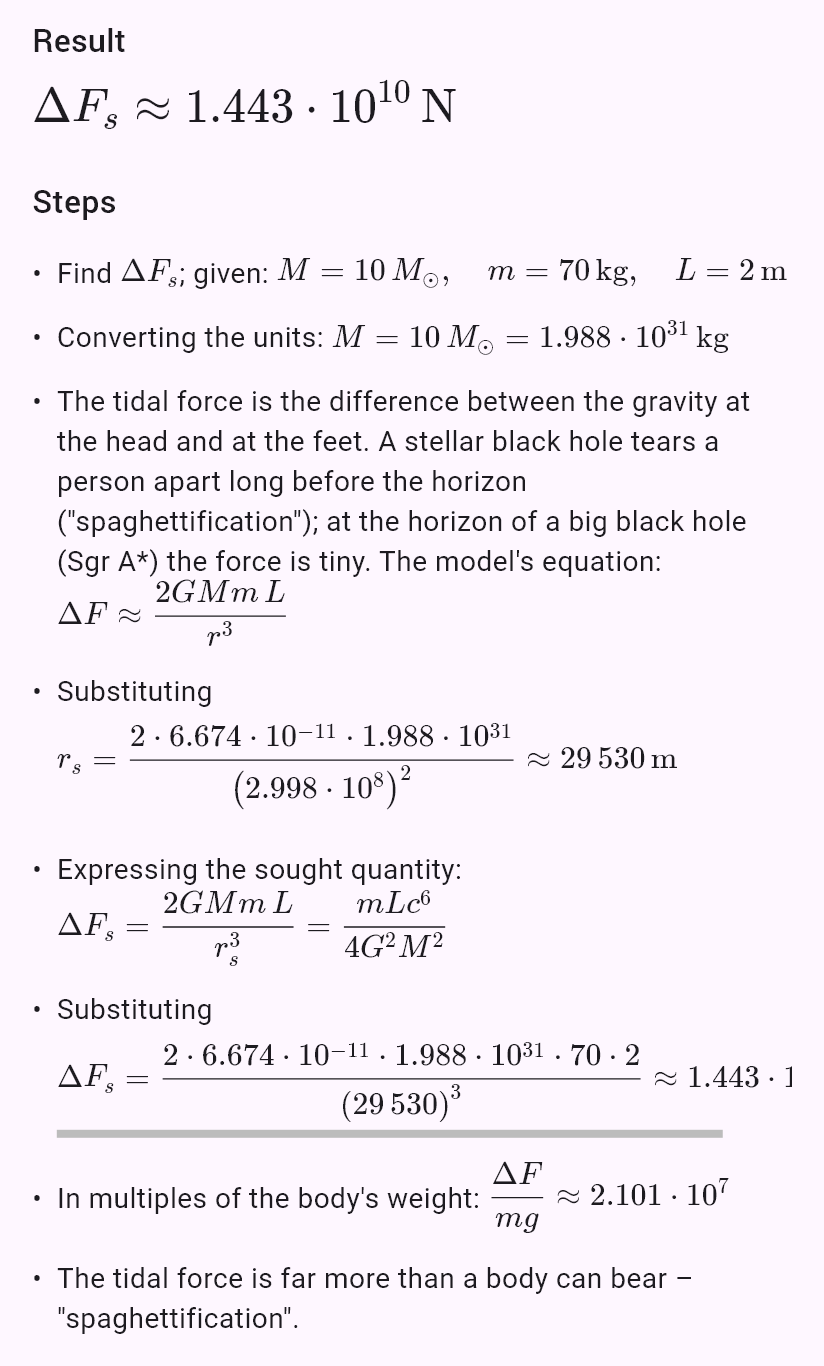
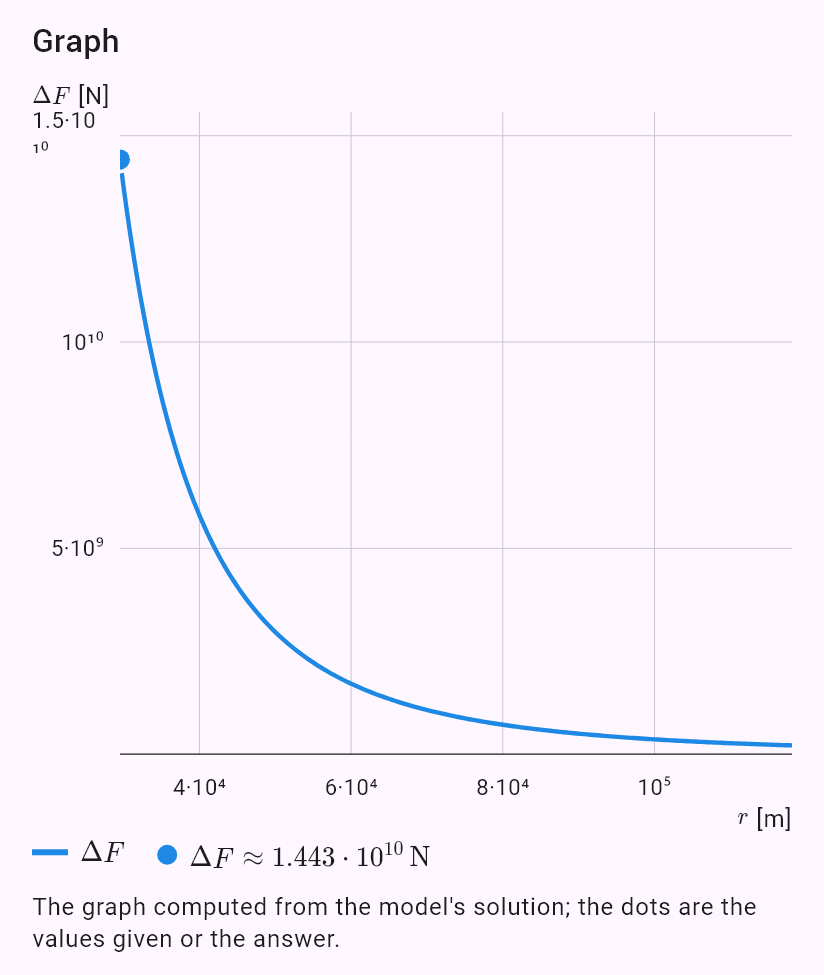
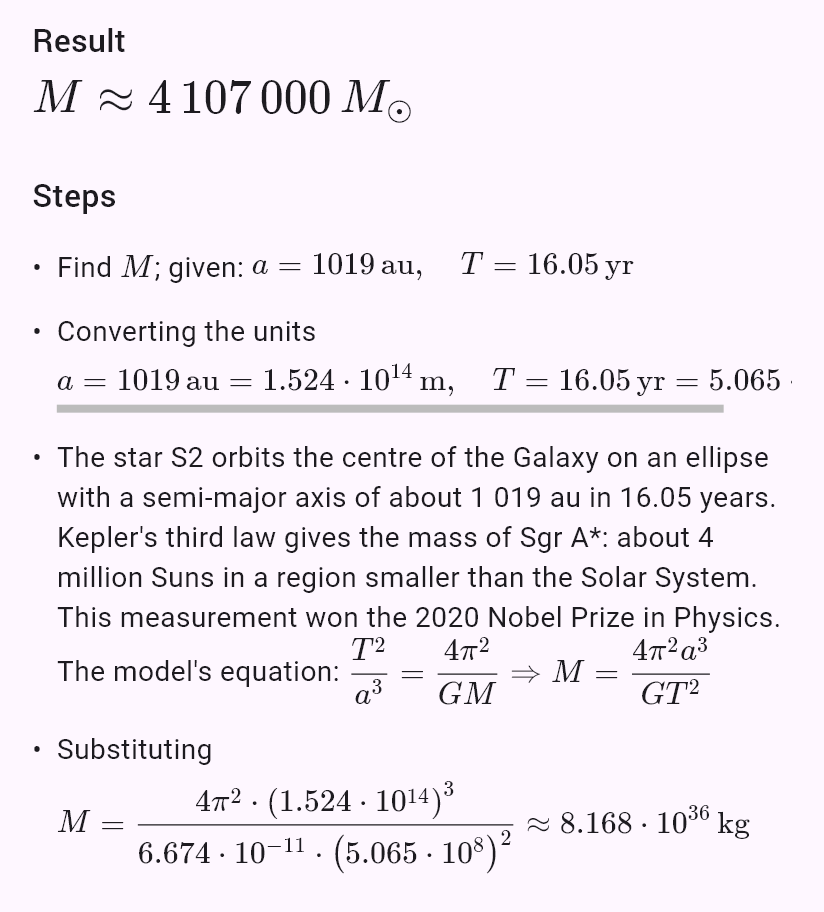
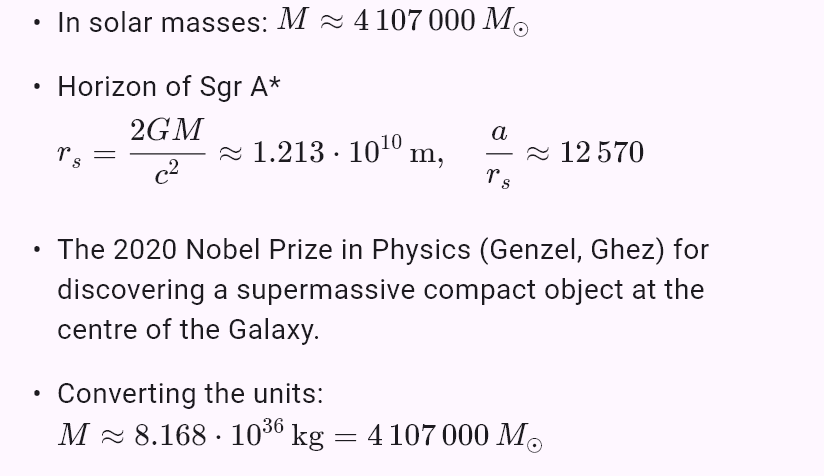
model(blackhole; find=M[Msun]; a=1019[au]; T=16.05[yr]; mode=s2)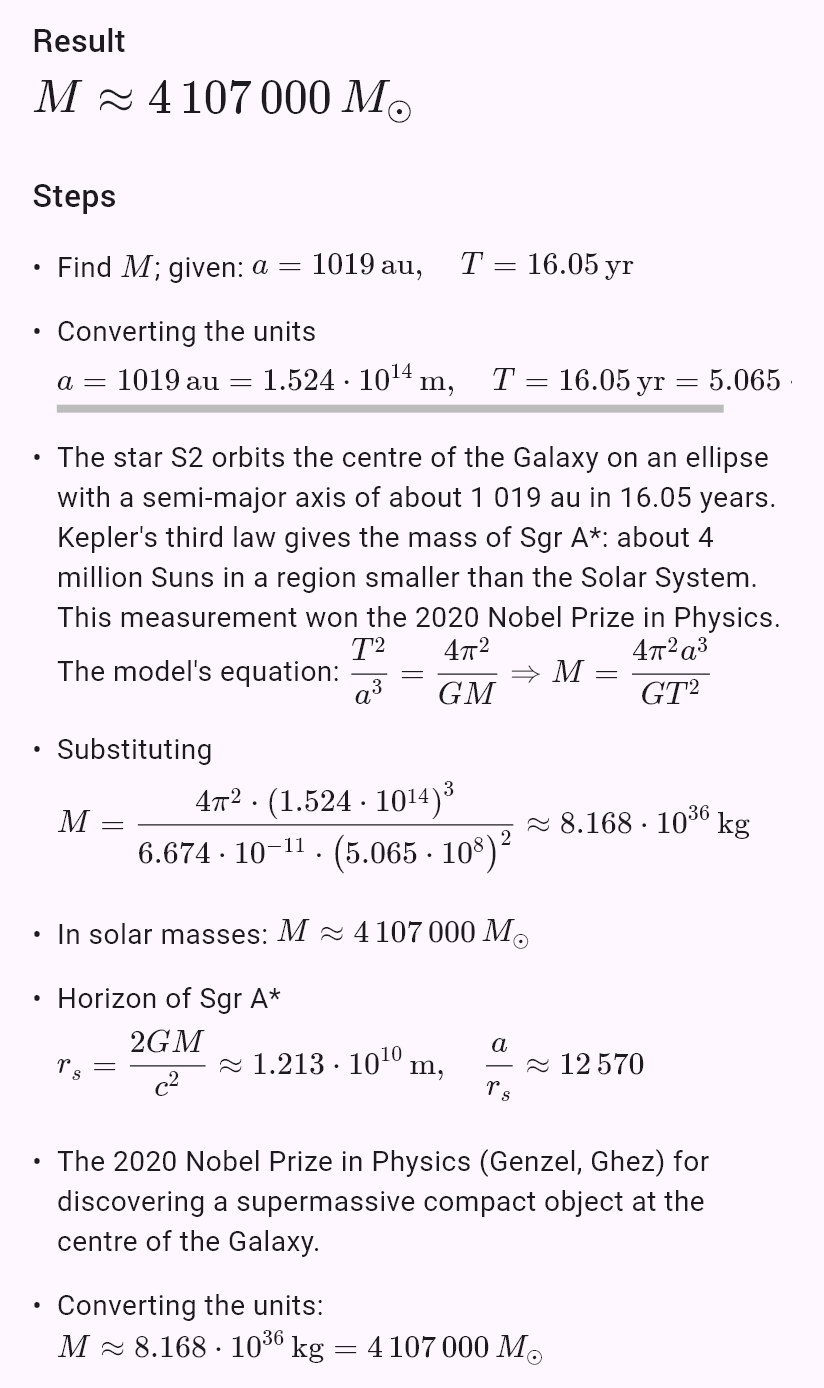
model(neutronstar; find=T2[ms]; T1=25.4[d]; R1=696000[km]; R2=12[km]; mode=collapse)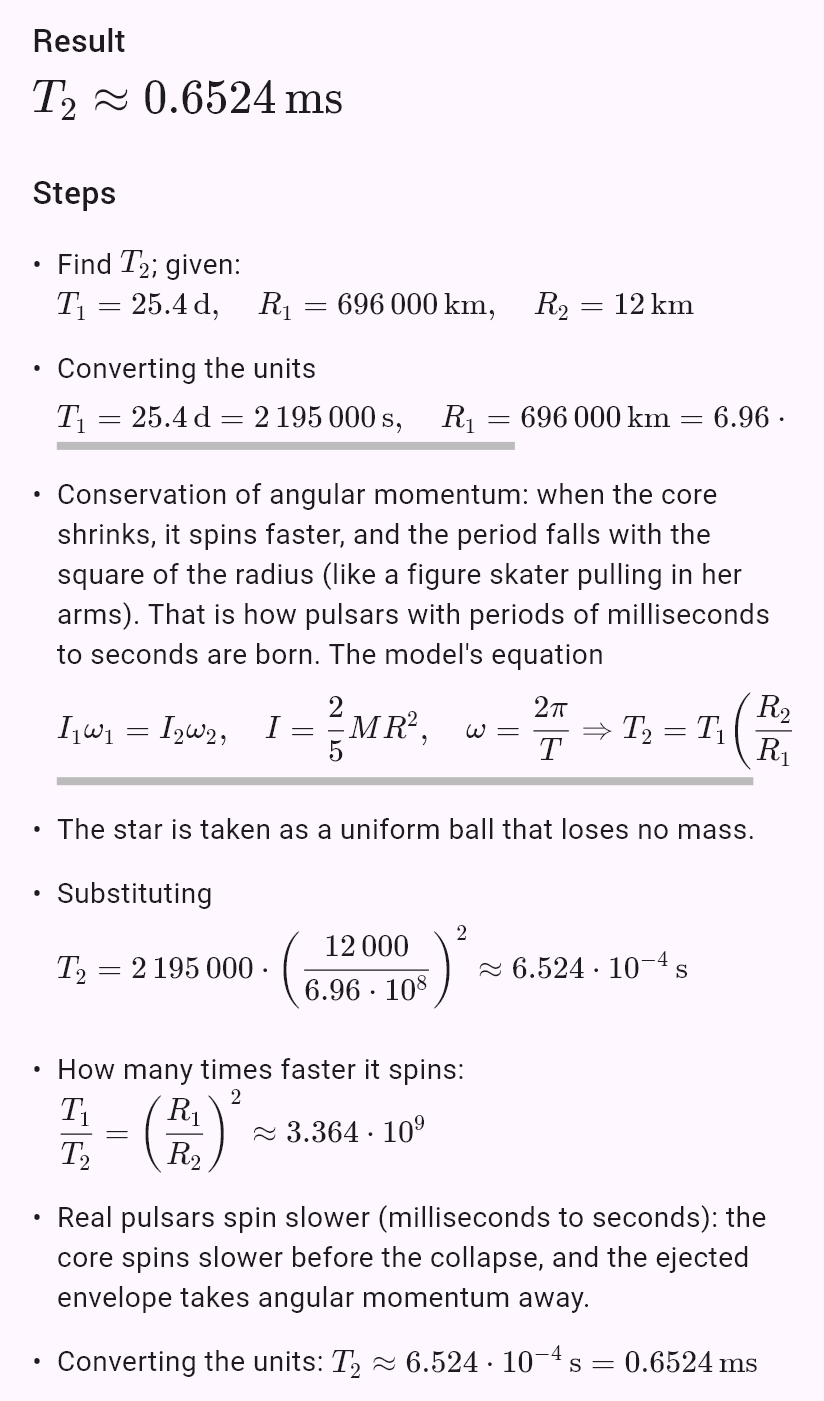
model(gwave; find=E[J]; M1=36[Msun]; M2=29[Msun]; Mf=62[Msun]; mode=gwenergy)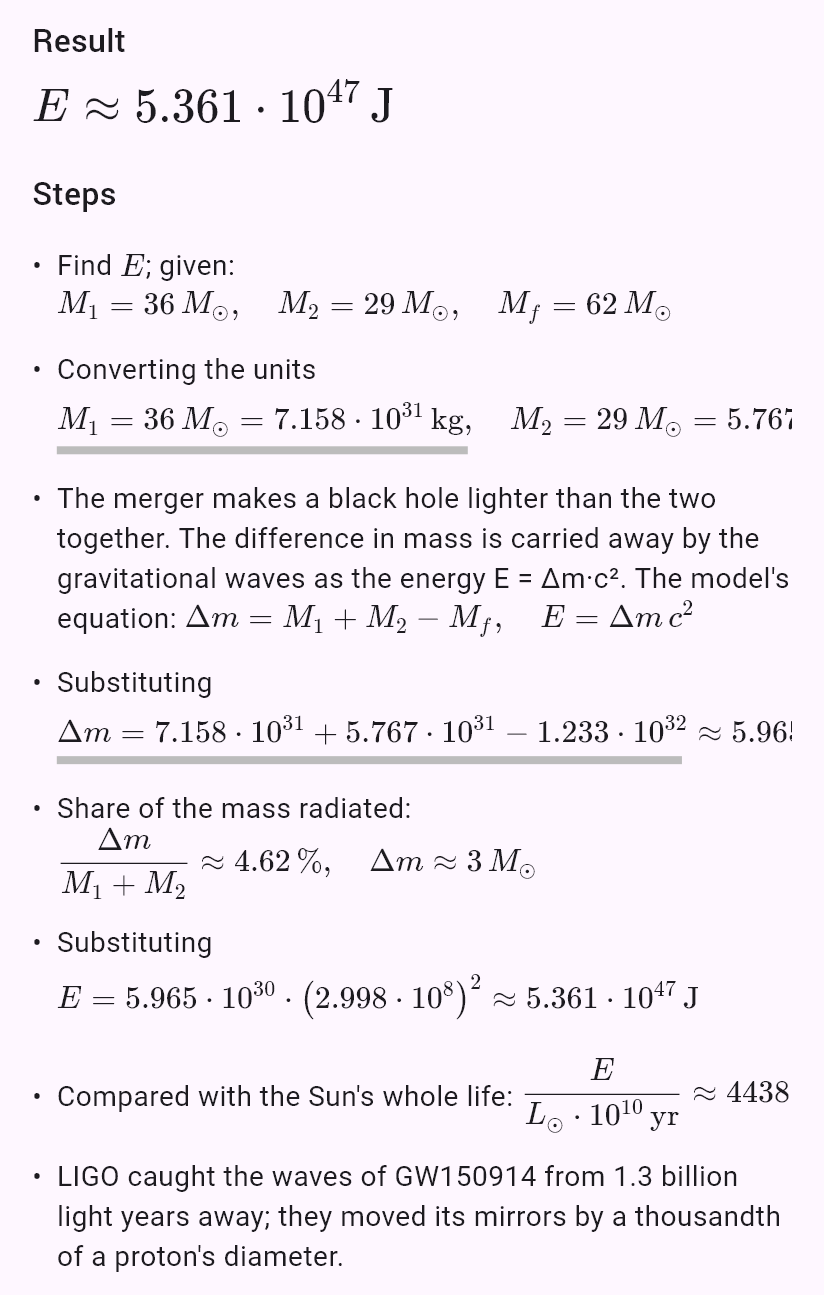
model(magnitude; find=d[pc]; mapp=-1.46[one]; Mabs=1.42[one]; mode=distmod; star=sirius)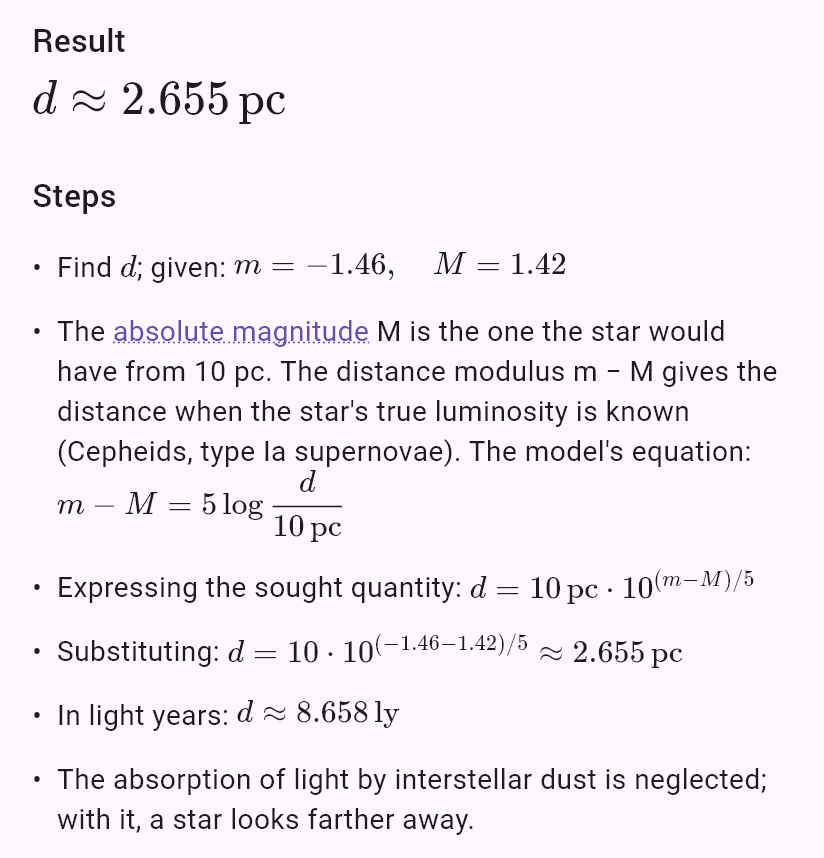
model(starlight; find=lambda[nm]; T=5772[K]; mode=wien; star=sun)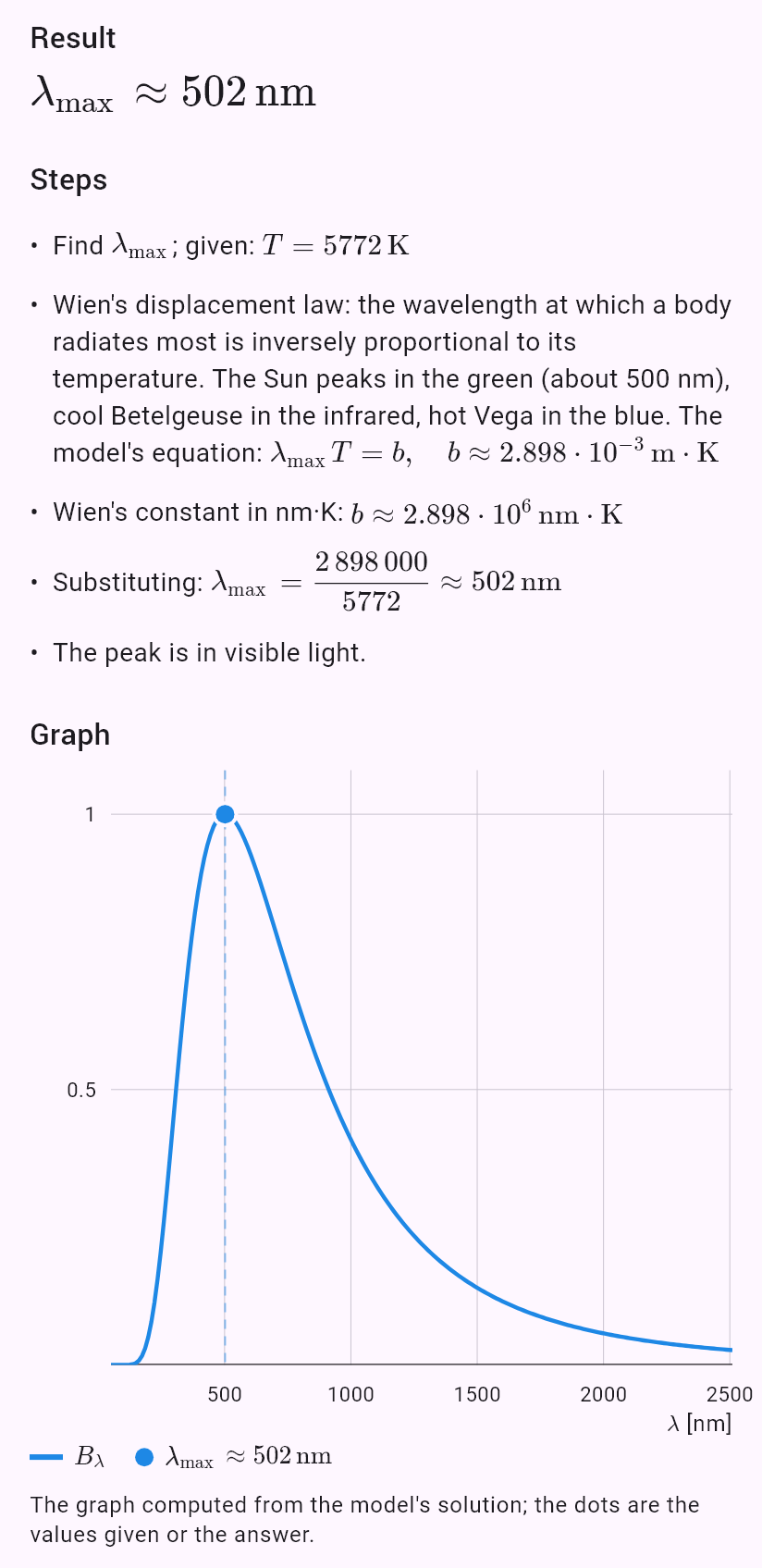
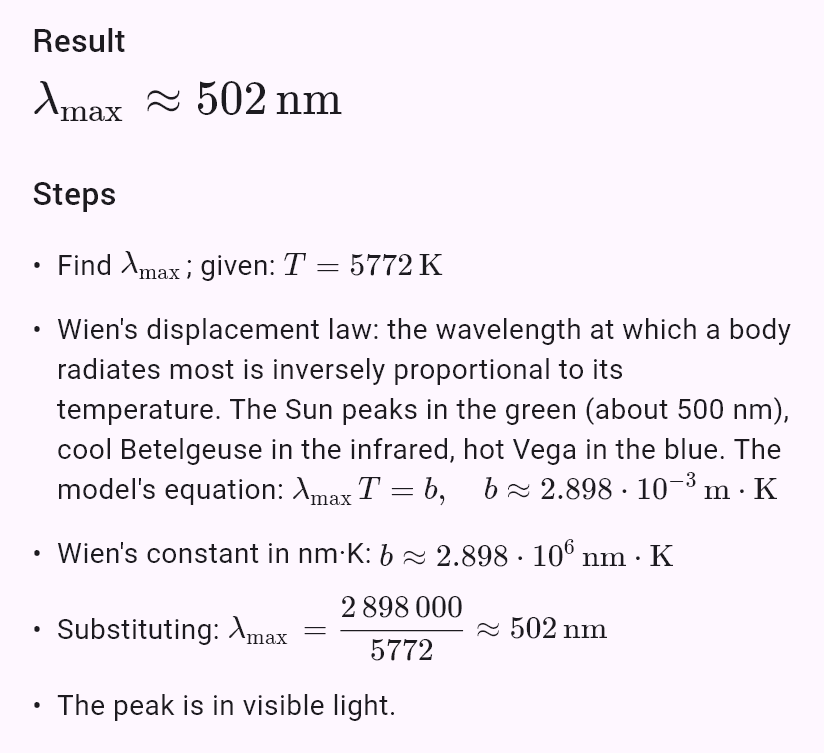
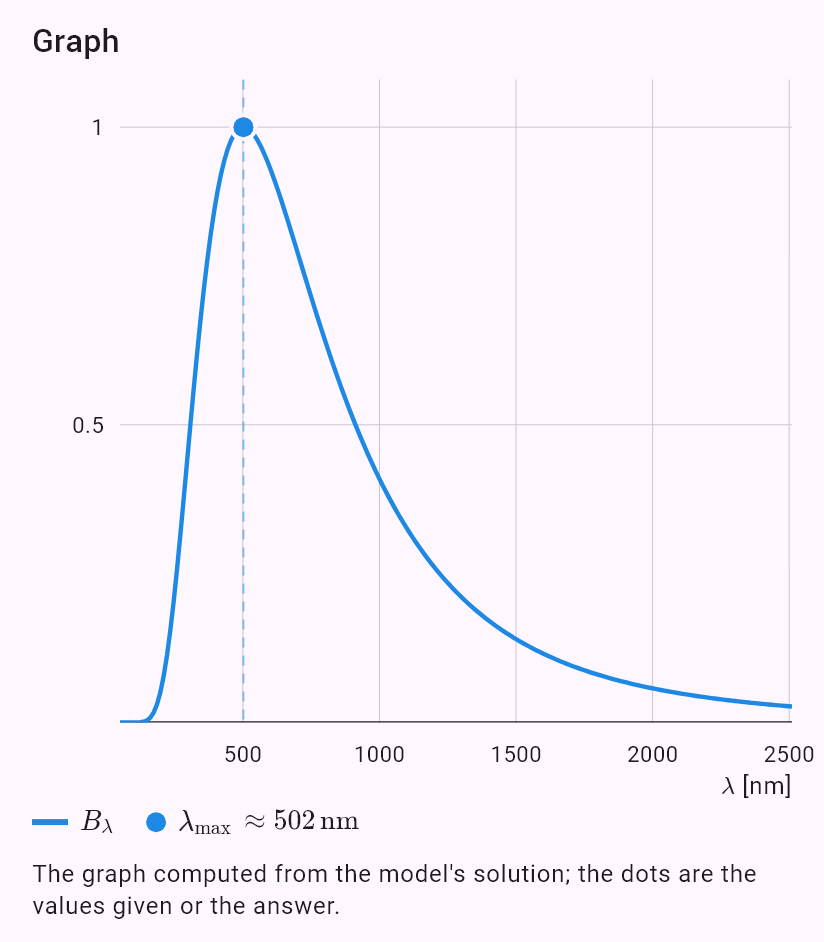
model(starlight; find=Teq[K]; L=1[Lsun]; a=1[au]; A=0.306[one]; mode=equilibrium; planet=earth)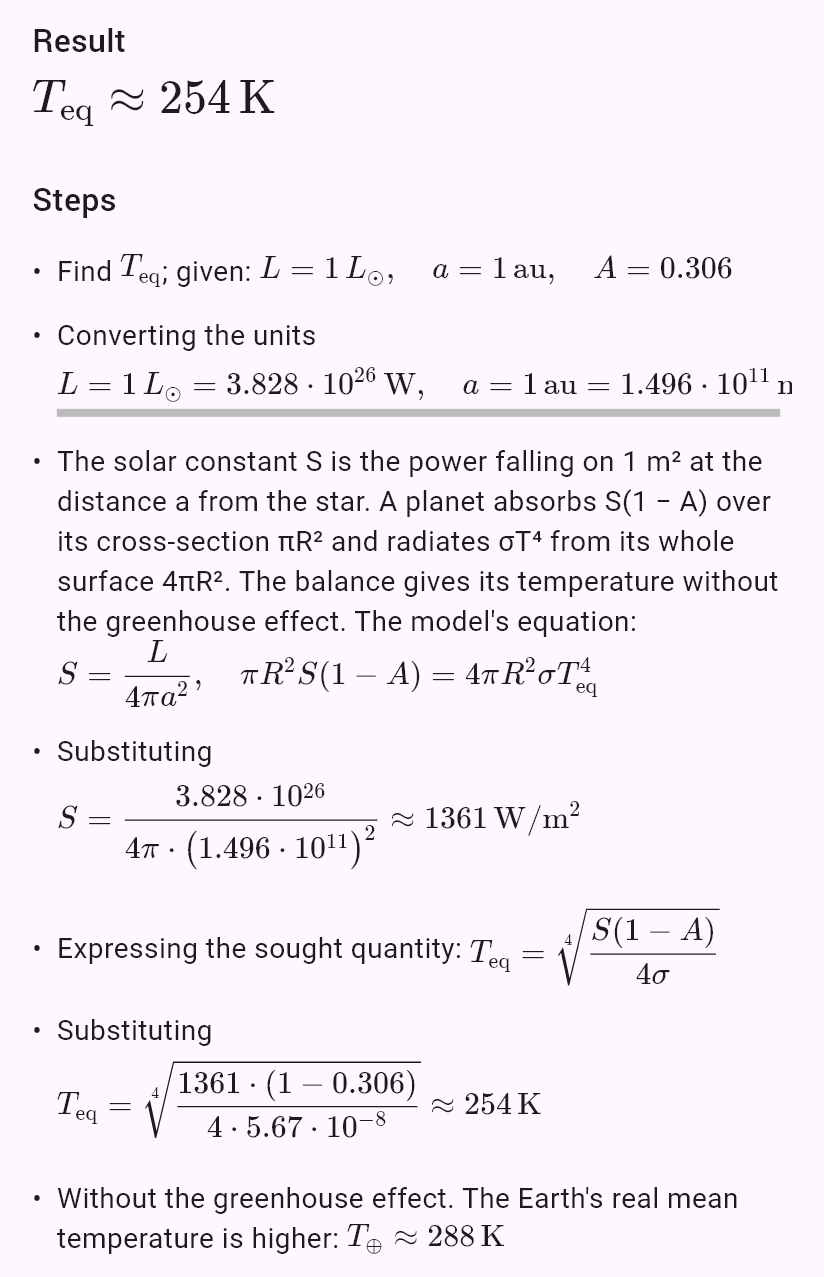
model(redshift; find=age[Gyr]; H0=70[km_s_Mpc]; mode=hubble)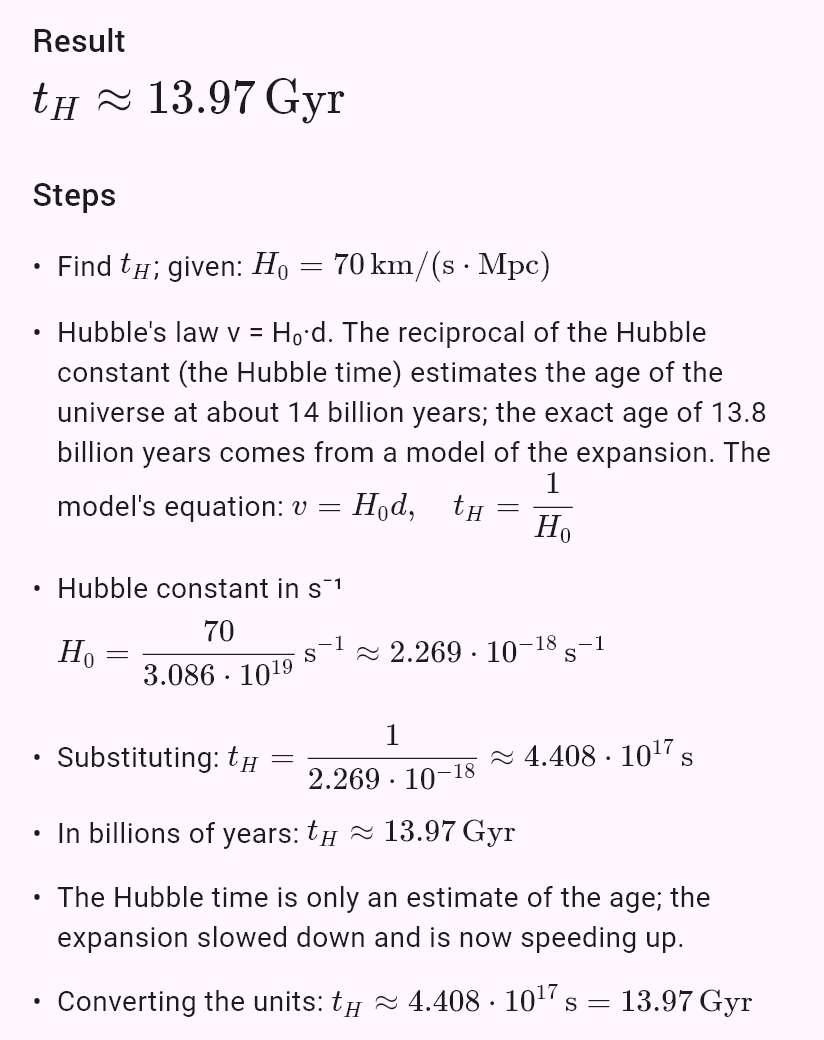
model(exoplanet; find=depth[ppm]; Rp=1[Rearth]; Rs=1[Rsun]; mode=transit; exo=earth)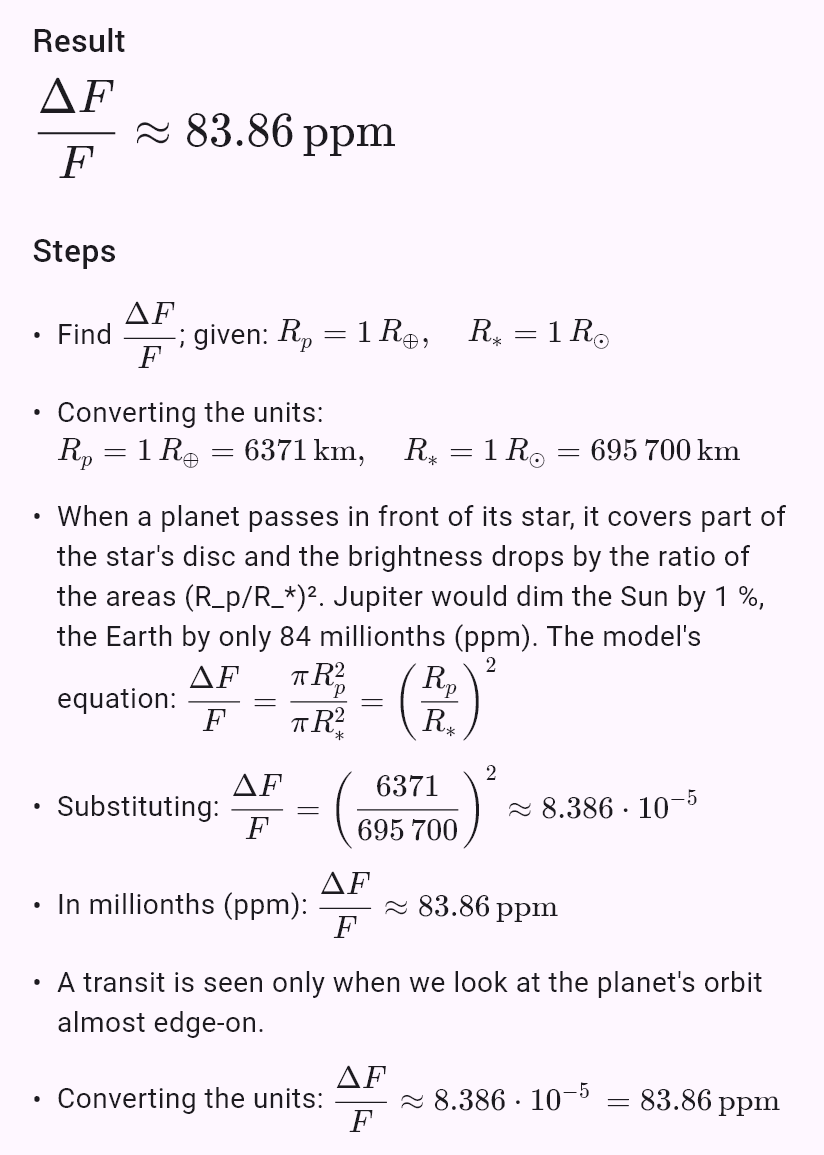
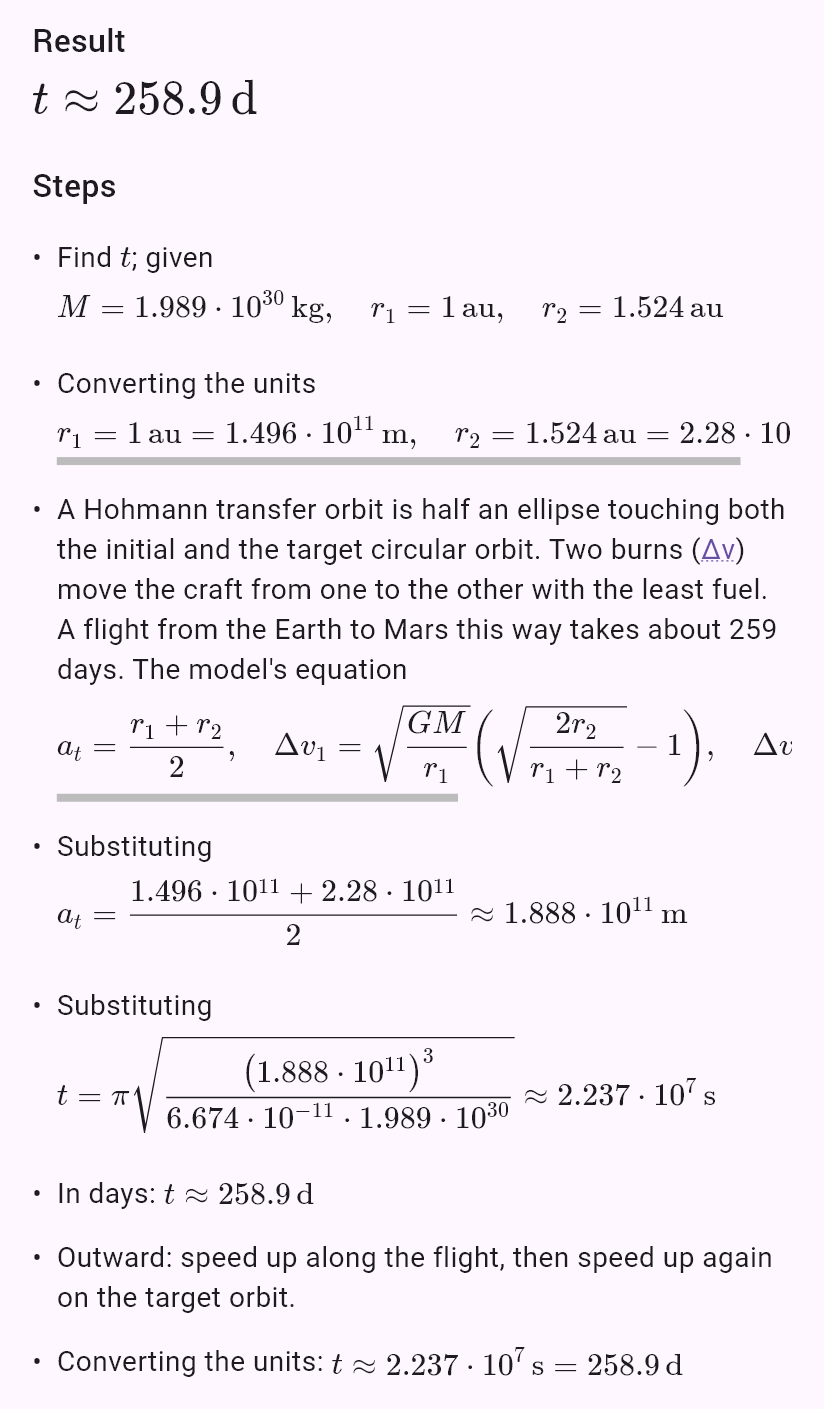
model(orbit; find=tt[d]; M=1.989e30[kg]; r1=1[au]; r2=1.524[au]; mode=hohmann; central=sun)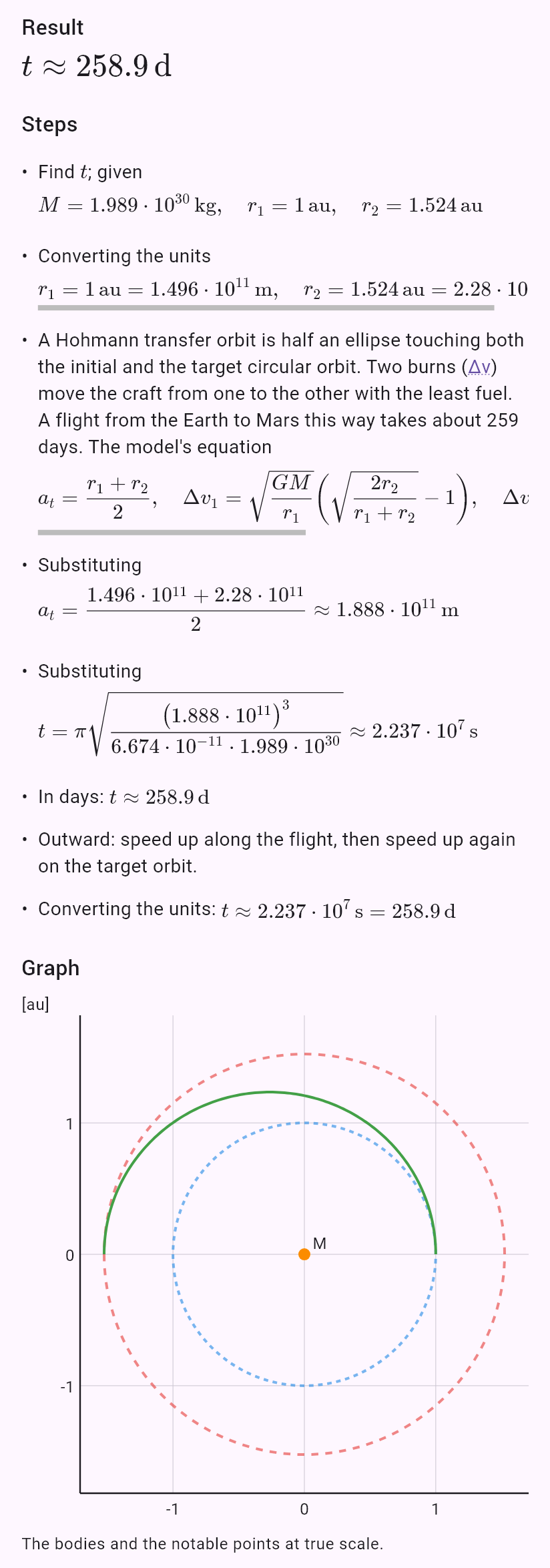
model(twobody; find=dR[km]; R=58232[km]; rhoM=0.687[g_cm3]; rhom=0.917[g_cm3]; mode=roche; satellite=fluid)